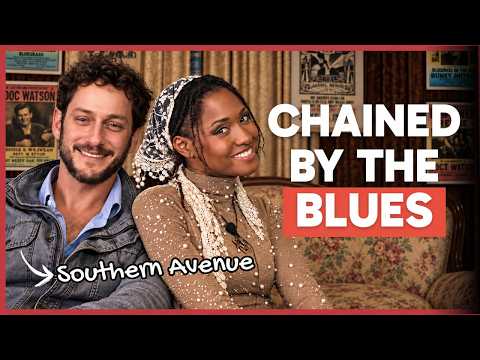
JD Simo on Feel, Tone, and Finding a Voice
PodcastA Lifelong Obsession Begins Early
JD Simo fell in love with the guitar at age four after seeing Elvis and the Blues Brothers on TV. Growing up in Chicago gave him rare access to documentaries, live tapes, and deep music libraries. Before he even knew what “influence” meant, he was absorbing Costello, Tom Waits, Bob Dylan, Motown, early ’90s rock, and everything in between.
By age eight, he was already performing in bars — no lessons, no plan, just instinct and obsession.
Why Slide Guitar Took Years to Click
Despite loving slide, JD struggled with it for years. He’d pick it up, get frustrated, quit, then return again. The breakthrough came in Nashville while playing in Don Kelly’s famously demanding bar band. JD forced himself to learn slide publicly, which meant sounding rough in front of people for months.
He kept everything simple: standard tuning, intuitive shapes, and consistent repetition. What emerged was deeper feel, steadier vibrato, and a more vocal phrasing approach — earned slowly, honestly, and with no shortcuts.
Influences That Shaped His Musical Identity
JD’s influences feel less like a list and more like a map of his personal evolution:
- Duane Allman for expressive slide
- Earl Hooker and Robert Nighthawk for chromatic phrasing
- Hop Wilson and Ralph Mooney for pedal-steel movement
- Ry Cooder and David Lindley for the “why” behind every note
He never imitates their playing — he absorbs their intent and lets it transform into something uniquely his.
Tone Through Simplicity, Not Gear Obsession
JD rejects the idea that slide tone requires extreme setups. His philosophy: tone follows intention.
He sticks to simple tools — a Princeton-style amp, a few expressive pedals, and guitars that don’t fight his ideas.
For him, tone is not a puzzle of equipment. It’s a puzzle of honesty.
Improvisation, Fear, and Learning to Reset
One of JD’s strongest insights is this:
When your playing starts to feel fake, stop. Reset. Breathe.
Fear pushes musicians toward licks, clichés, and old habits. Openness brings clarity and expression. JD sees improvisation as less about perfection and more about returning to presence — again and again.
Practicing Through Listening, Touch, and Curiosity
JD breaks down his practice into three pillars:
- Constant listening across genres and eras
- Keeping the hands alive through vibrato and micro-control
- Following curiosity into harmony, textures, and new ideas
He rarely transcribes full solos. Instead, he takes short moments that spark something inside him and folds them into his own voice.
Advice for New Slide Players
Start exactly where you are. No magic tunings or hardware. Focus on:
- Clean, centered notes
- Slow vibrato
- Stability on the middle strings
- Patience through the awkward early stages
Progress comes from momentum, not complexity.
Where JD’s Story Meets What We Try to Teach at Sonora
Across his entire conversation, what stands out most isn’t JD’s technique — it’s his honesty. His tone, touch, and improvisation feel like extensions of an inner process shaped by patience, discomfort, and persistence.
That same spirit anchors what we work toward at Sonora: helping musicians develop clarity, feel, and a personal voice through intentional practice and real conversations. JD’s journey is a reminder that growth isn’t glamorous — but it is real, slow, and worth the effort.
Continue exploring
Insights from our community of musicians, mentors, and students.